
Best Cancer Specialist in Delhi NCR
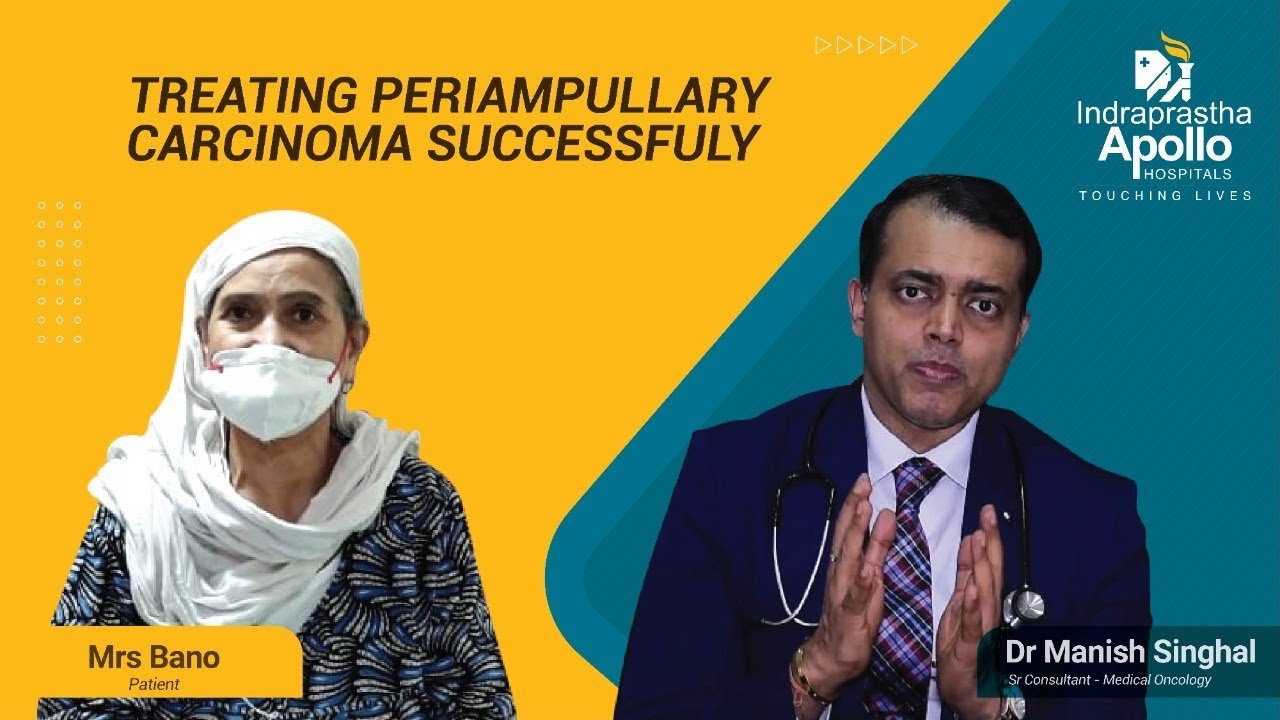
Dr. Manish Singhal
DM (Medical Oncology, AIIMS) • 20+ Years • Advanced Targeted & Immunotherapy Expert
- Senior Consultant – Yashoda / Max / Fortis
- Certified by ESMO & ASCO (Europe & USA)
- Specialist in Breast, Lung, GI & Blood Cancers
Book a Free Consultation
Best Cancer Specialist in Delhi NCR
Dr. Manish Singhal
DM (Medical Oncology, AIIMS)
• 20+ Years • Advanced Targeted & Immunotherapy Expert
- Senior Consultant – Apollo / Max / Fortis
- Certified by ESMO & ASCO (Europe & USA)
- Specialist in Breast, Lung, GI & Blood Cancers
Book a Free Consultation
Genuine Patient Feedback
Read genuine reviews, ratings, and experiences
Upload Your Medical Reports
Treatment options, and personalized advice.
Clinics &
Locations
Multiple centres across Delhi NCR
Meet Dr Manish Singhal
20+ Years, 18,000+ Patients Treated
Clinics &
Locations
Multiple centres across Delhi NCR
Meet Dr Manish Singhal
20+ Years, 18,000+ Patients Treated
Dr. Manish Singhal
MBBS, MD (Oncology), DM – Medical Oncology
Senior Oncologist, Yashoda Hospitals
- 20+ Years of Specialized Cancer Treatment
- 4000+ Successful Patient Recoveries
- Expert in Targeted & Immunotherapy Treatments
- Trained at AIIMS & Tata Memorial Hospital
My mission is to make world-class cancer treatment accessible with compassion and clarity – every patient, every time.
Understanding Cancer With Dr. Manish Singhal
Clear, science-backed explanations to help you make informed decisions about your health.
Cancer Consult India
Types of Cancer Treated
Expert diagnosis and personalized treatment for all major cancer types.
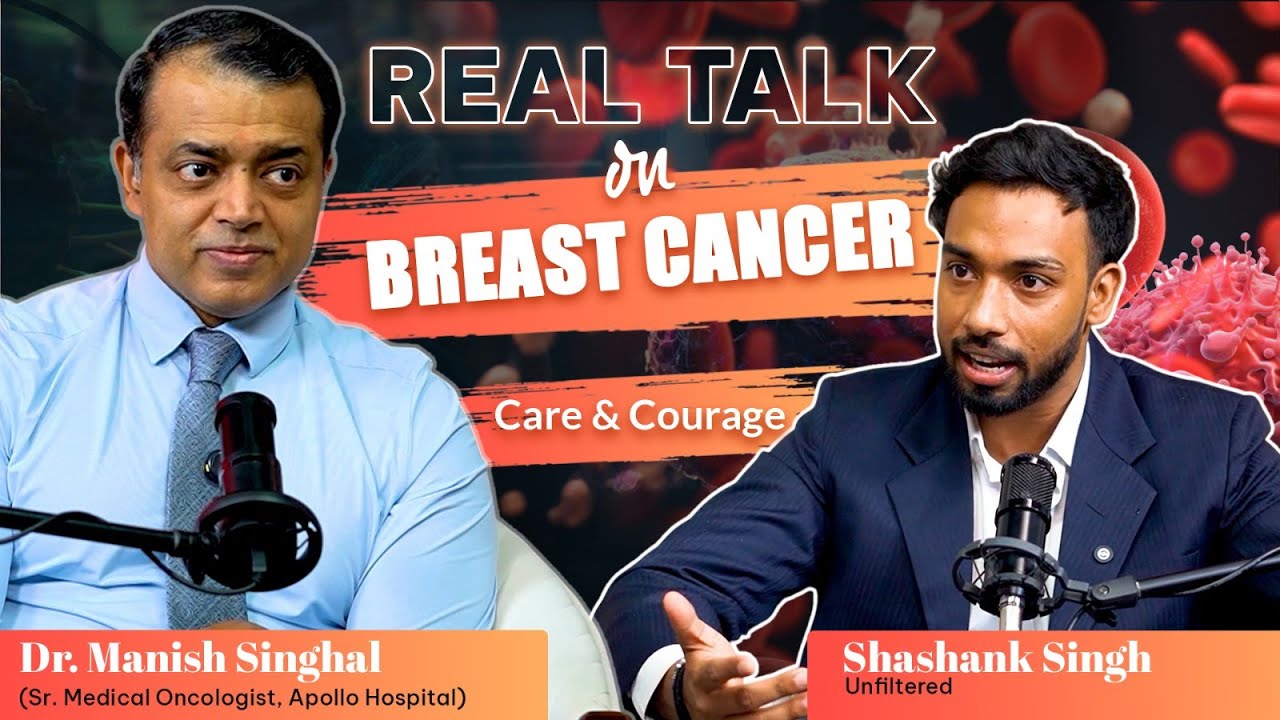
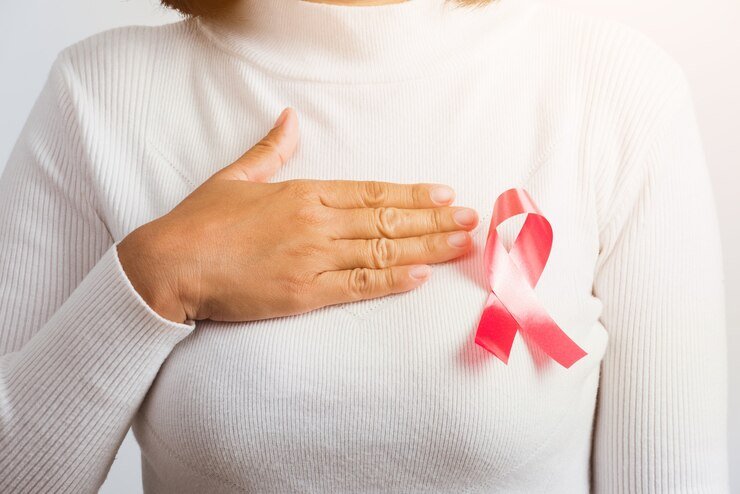
Breast Cancer
Breast cancer is the most common cancer in women and develops in the ducts or lobules of the breast. It may appear as a lump, change in breast shape, or abnormal discharge, but many early cases have no symptoms. Self-exams and mammography are key for early detection. When caught early, survival rates are very high.
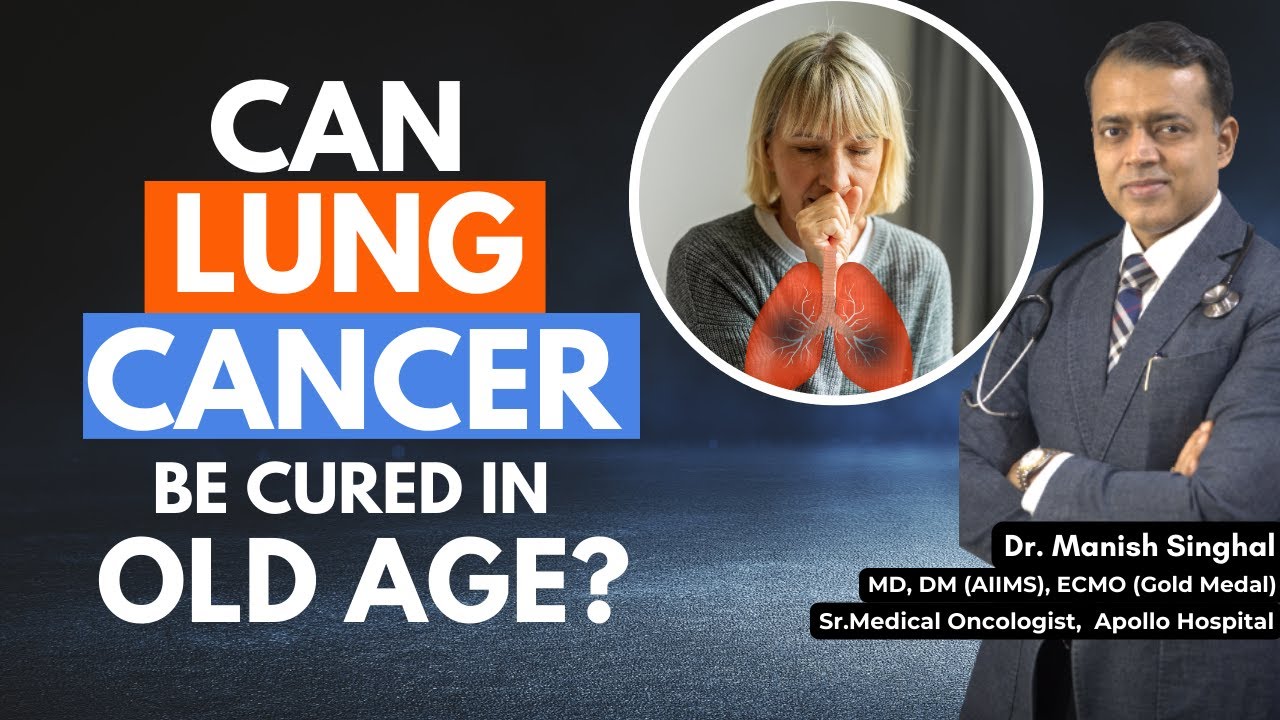
Lung Cancer
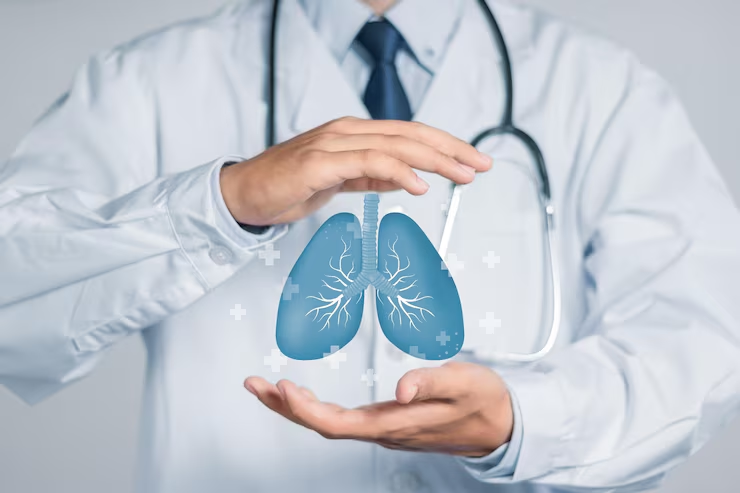
Lung cancer begins in the airways and is strongly linked to smoking, but non-smokers can also be affected. Symptoms such as a long-term cough, chest pain, or weight loss usually appear late, making screening important. There are two main types, each requiring different treatment methods. Quitting smoking and regular checkups significantly reduce risk.
Blood Cancer
Blood cancers affect the blood, bone marrow, or lymphatic system and often spread silently. Signs may include fatigue, frequent infections, fever, or unexplained weight loss. Treatments such as bone marrow transplant, targeted therapy, and immunotherapy have improved survival. Early diagnosis by a hematologist is crucial for effective care.
Bone Cancer
Bone cancer usually develops when abnormal cells grow uncontrollably inside bones, often linked to genetic mutations, previous radiation exposure, or certain inherited conditions. Early stages may be silent, but symptoms can show up as deep bone pain, swelling, or fractures without major injury. Diagnosis typically involves imaging and biopsy.
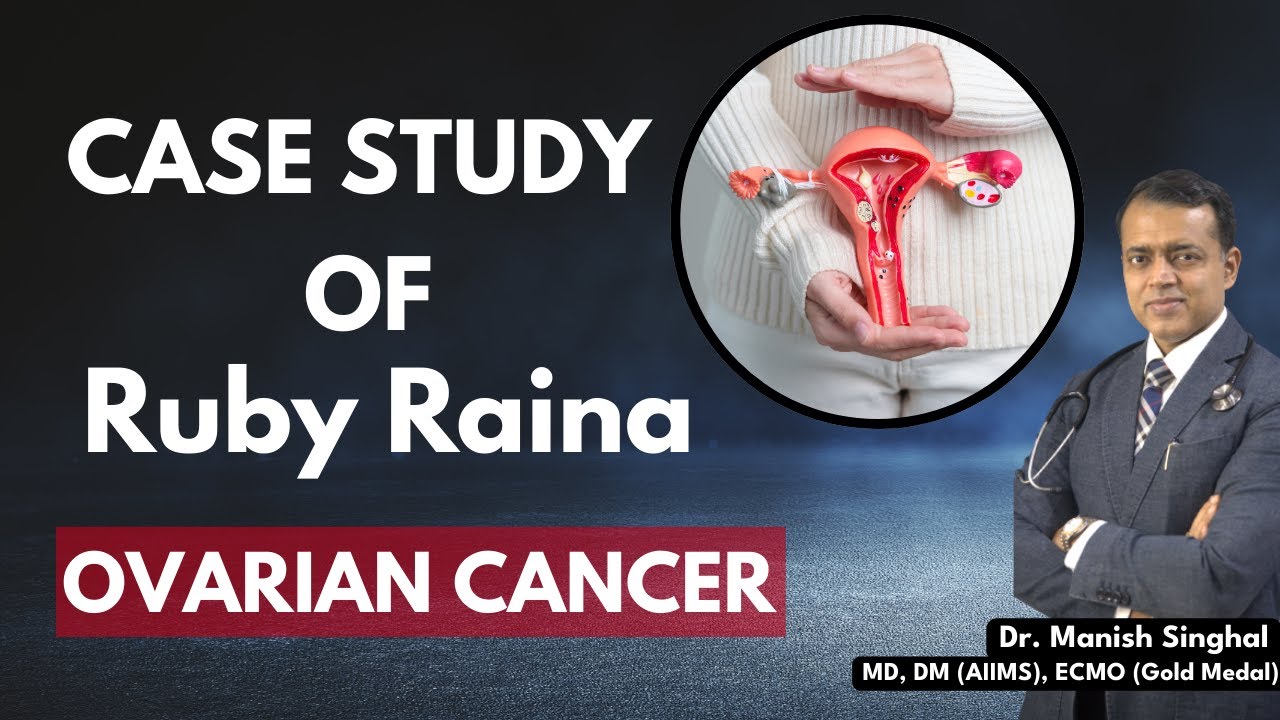
Ovarian Cancer
Ovarian cancer is called a “silent killer” because symptoms like bloating or back pain are often ignored. It mainly affects women over 40, and there is no routine screening test available. Treatment usually involves surgery and chemotherapy or targeted therapy. Genetic testing (like BRCA) helps identify women at higher risk. Early detection greatly improves survival chances.
Prostate Cancer
Prostate cancer is common in men over 50 and often grows slowly without early symptoms. Later signs may include urinary issues or pelvic discomfort. PSA blood tests and prostate exams help detect it early. Some cases need surgery or radiation, while others can be safely monitored. With early diagnosis, it is one of the most treatable cancers.
Why Choose Dr. Manish Singhal?
20+ years treating 20+ cancer types with global-standard care
Evidence-Based Care
Global Standard Protocols
Multi-Specialist Review
Patient-First Approach
Ethical & Transparent
Patient-First Approach
Ethical & Transparent
Trusted & Recognised By
Leading hospitals and international oncology associations


Thousands Treated. Countless Lives Restored.
Watch real patient testimonials and see why families across India trust Dr. Manish Singhal.
Latest Insights on Cancer Care
Expert articles written by Dr. Manish Singhal to help patients stay informed and confident.

Effective Breast Cancer Treatment Plans: What You Need to Discuss with Your Doctor
In this blog – In 2025, being diagnosed with breast
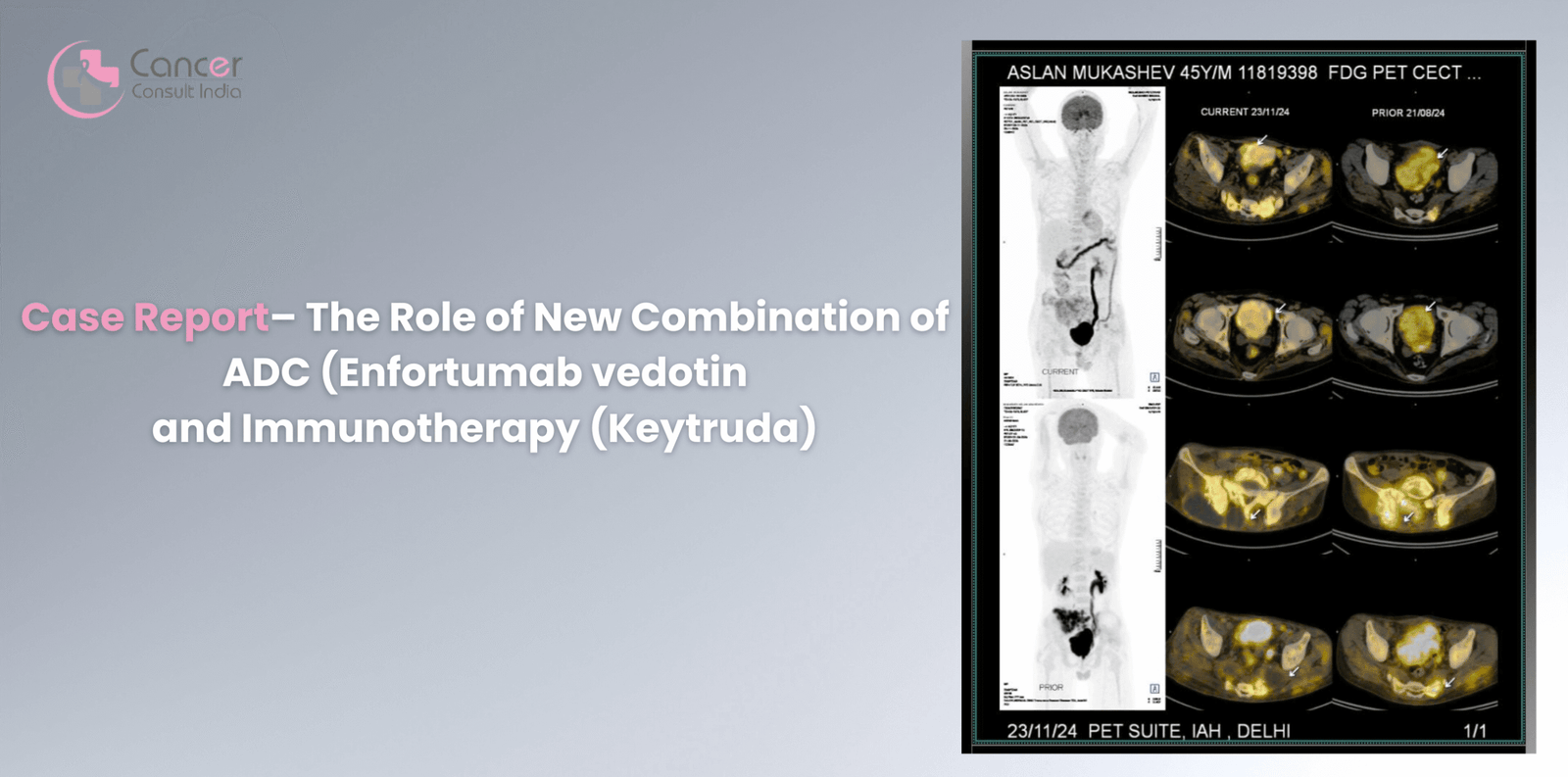
Case Report – The Role of New Combination of ADC (Enfortumab vedotin and Immunotherapy (Keytruda)
Case Report – The Role of New Combination of ADC (Enfortumab vedotin and Immunotherapy (Keytruda) in recurrent and refractory advanced Urothelial Cancer – giving patients doomed to death a New Lease of Life.
Advanced Lung Cancer Care in Noida: Trusted Oncologists at Your Service
Personalized Cancer Care That Understands You A lung cancer diagnosis

Breast Cancer Treatment in Delhi: Empowering Women with Compassionate Care
A Diagnosis That Changes Everything Hearing the words “you have

Prostate Cancer Doctor in Noida: Advanced Therapies for Better Outcomes
For most men, prostate cancer isn’t something that shows up

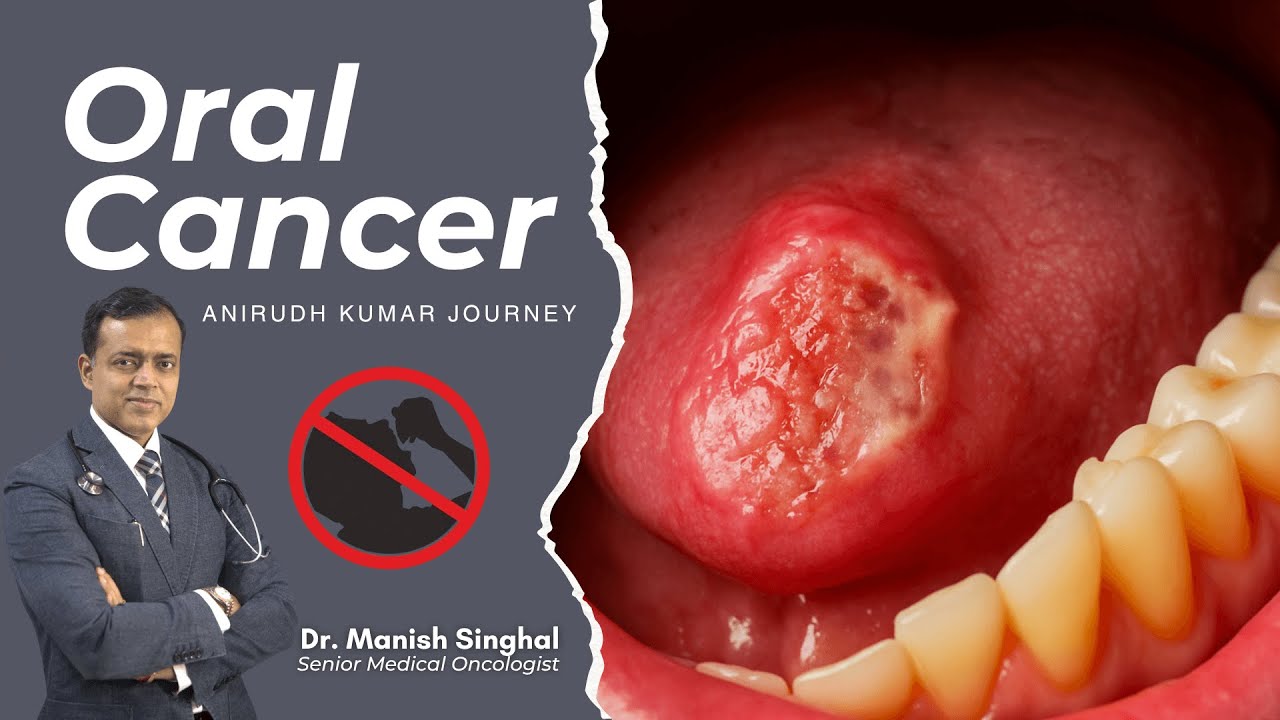
Top Specialists for Head and Neck Cancer in Noida: A Complete Guide
The experience of being diagnosed with cancer can be stressful
Your Cancer Questions, Answered by an Oncologist
Accurate, science-backed explanations to help you make informed decisions.
Can cancer be cured
Yes, many cancers can be cured — especially when diagnosed early and treated with the right approach. The chances depend on the cancer type, stage, and overall patient health. Even in advanced stages, treatment can control the disease, reduce symptoms, and extend life.
Is chemotherapy painful?
Chemotherapy itself is not painful — it’s given through a vein or orally as tablets. Some patients experience side effects like nausea, fatigue, hair loss, or weakness, but we now have advanced medicines and supportive care to reduce these effects significantly.
What is immunotherapy?
Immunotherapy is a modern cancer treatment that activates your own immune system to identify and kill cancer cells. It is less toxic than chemotherapy and works especially well in lung, kidney, skin, and certain types of blood cancers.
Is cancer hereditary?
Only about 5–10% of cancers are due to inherited genes. The majority happen due to lifestyle, age, environment, or random cell changes. If you have multiple family members with cancer, genetic testing may be recommended.
How do I know which treatment is right for me?
Treatment is decided after reviewing your biopsy report, scans, stage, age, health condition, and cancer behavior. Many cases today require a combination of therapies like chemo, targeted therapy, immunotherapy, surgery, or radiation.
Can cancer come back after treatment?
Yes, some cancers can return, which is why follow-up checkups and scans are important. However, many patients live cancer-free for years or even permanently after proper treatment.
What are the side effects of immunotherapy?
Unlike chemotherapy, immunotherapy usually has mild side effects like fatigue, skin rash, or low-grade fever. Rarely, it can affect organs like the thyroid or lungs, but these are manageable when monitored properly.
Should I get a second opinion before treatment?
Absolutely. A second opinion helps you understand all treatment options and builds confidence before starting. I encourage patients to make fully informed decisions — cancer treatment is a journey, not a race.
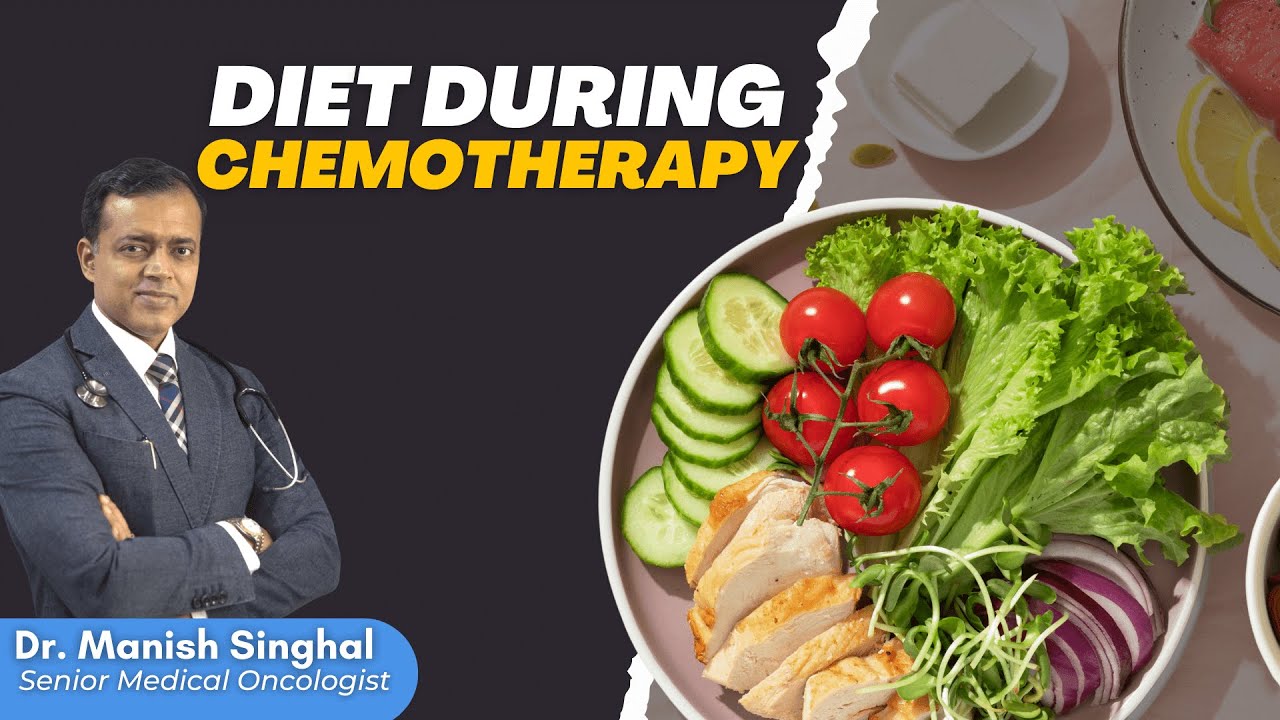
Can diet and lifestyle help in cancer treatment?
Yes — healthy eating, exercise, stress control, good sleep, and no tobacco/alcohol can improve treatment response and recovery. However, diet cannot replace medical treatment.
How soon should cancer treatment start after diagnosis?
In most cases, treatment should begin within 2–3 weeks of confirmed diagnosis. Delays can allow cancer to grow or spread. The earlier we start, the better the outcome.