

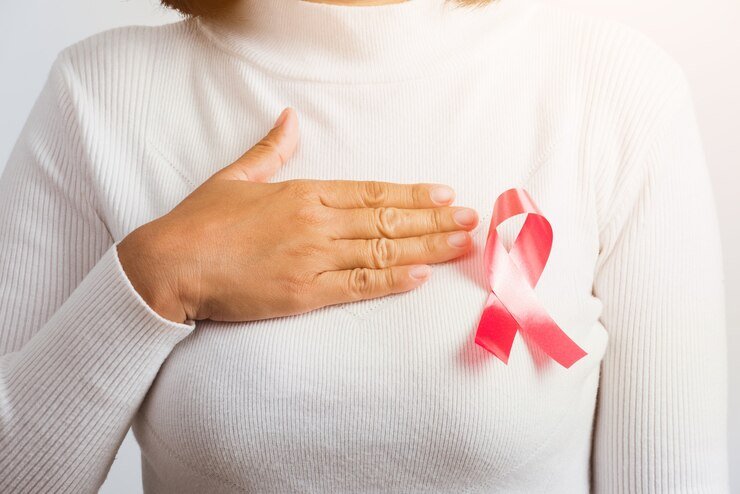
Breast Cancer Treatment
Comprehensive diagnosis, personalized care, and advanced therapies by Dr. Manish Singhal.
Understanding Breast Cancer
Breast cancer isn’t one sort of cancer but various and in Delhi, it demands the best breast cancer treatment in Delhi available as, most ladies are still unaware of the essentials, similar to the rate determined to have breast cancer over their lifetime, they may not know how to guarantee and choice between the best oncologist in india or a common one? It should be clear they’re in great hands in between screening or after finding. Inside the breast cancer, its cell structure has numerous particular highlights advising researchers that breast diseases are comprised of several unique sorts of the breast cancer. This additionally enables researchers to better comprehend why it has been so difficult to cure and avoid.
Regardless of whether you, a friend or a relative has been determined to have breast cancer, exploring the greater part of the data access can overpower. If you choose the best oncologist in Noida then only he or she is your only best asset for understanding which phase of tumour.
you’re in and proposing your best breast cancer treatment in Noida choices accessible. In the event that you see a bump or different changes in your breast, contact your breast cancer doctor to make an arrangement. On the off chance that you have just been determined to have breast cancer, tell your specialist in the event that you encounter torment, swelling, or other troubling side effects. Here’s a basic breakdown of how breast cancer spreads, how it’s analyzed, and how specialists treat it.
Before we can further discuss the symptoms and risk factors of breast cancer, it’s only fair to address the fear and the vulnerability of breast cancer patients during the Covid-19 pandemic. The fear is normal, the vulnerability is scientific, but the treatment plan does not need to falter because of the fear or the innate need to stay at home. How? The best breast cancer doctor in Delhi NCR, Dr. Manish Singhal, and his team have found ways to adapt to the current situation by offering chemotherapy at home, telemedicine services, and much more.
Breast cancer isn’t one sort of cancer but various and in Delhi, it demands the best breast cancer treatment in Delhi available as, most ladies are still unaware of the essentials, similar to the rate determined to have breast cancer over their lifetime, they may not know how to guarantee and choice between the best breast cancer doctor in Delhi NCR or a common one? It should be clear they’re in great hands in between screening or after finding. Inside the breast cancer, its cell structure has numerous particular highlights advising researchers that breast diseases are comprised of several unique sorts of the breast cancer. This additionally enables researchers to better comprehend why it has been so difficult to cure and avoid.
Regardless of whether you, a friend or a relative has been determined to have breast cancer, exploring the greater part of the data access can overpower. If you choose the best oncologist in Noida then only he or she is your only best asset for understanding which phase of tumour you’re in and proposing your best breast cancer treatment in Noida choices accessible. In the event that you see a bump or different changes in your breast, contact your breast cancer doctor to make an arrangement. On the off chance that you have just been determined to have breast cancer, tell your specialist in the event that you encounter torment, swelling, or other troubling side effects. Here’s a basic breakdown of how breast cancer spreads, how it’s analyzed, and how specialists treat it.
Before we can further discuss the symptoms and risk factors of breast cancer, it’s only fair to address the fear and the vulnerability of breast cancer patients during the Covid-19 pandemic. The fear is normal, the vulnerability is scientific, but the treatment plan does not need to falter because of the fear or the innate need to stay at home. How? The best breast cancer doctor in, Dr. Manish Singhal, and his team have found ways to adapt to the current situation by offering chemotherapy at home, telemedicine services, and much more.
What Causes Breast Cancer?
Knowing the root causes helps in better prevention and early intervention.

Family History
Having a close relative — such as a mother, sister, or daughter — diagnosed with breast or ovarian cancer increases the risk. In many cases, inherited gene mutations like BRCA1 and BRCA2 are responsible for this higher susceptibility.

Drinking Alcohol
Regular alcohol consumption raises estrogen levels in the body and can damage DNA, increasing the risk of breast cancer. Even moderate drinking — one or two drinks a day — has been linked to a higher chance of developing the disease.

Smoking
Tobacco contains carcinogenic chemicals that can harm breast tissue and weaken the immune system. Long-term smoking, especially before menopause, has been strongly associated with an increased risk of breast cancer.

Family History
Having a close relative — such as a mother, sister, or daughter — diagnosed with breast or ovarian cancer increases the risk. In many cases, inherited gene mutations like BRCA1 and BRCA2 are responsible for this higher susceptibility.

Drinking Alcohol
Regular alcohol consumption raises estrogen levels in the body and can damage DNA, increasing the risk of breast cancer. Even moderate drinking — one or two drinks a day — has been linked to a higher chance of developing the disease.

Smoking
Tobacco contains carcinogenic chemicals that can harm breast tissue and weaken the immune system. Long-term smoking, especially before menopause, has been strongly associated with an increased risk of breast cancer.
Common Signs & Symptoms
Know the common indicators that should never be ignored.
Early detection begins with awareness.
Breast cancer symptoms can vary widely — some women notice visible changes, while others feel no pain or discomfort at all. Regular self-examinations and routine screenings are crucial for identifying unusual changes before the disease advances.
Lump
A painless lump or thickened area is one of the most common early signs. Not every lump is cancerous, but any new mass should be checked by doctor.
Breast Shape
Swelling, uneven shape, or sudden size changes in one breast can signal an underlying issue. These changes may occur even without a noticeable lump.
Nipple Discharge
Unexpected discharge (especially if it’s bloody or clear) or a nipple that suddenly becomes inverted can indicate a tumor developing near the milk ducts.
Texture Changes
Dimpling, redness, or puckering of the breast skin — sometimes resembling an orange peel — may suggest underlying cancer cells affecting skin tissues.
Lump
A painless lump or thickened area is one of the most common early signs. Not every lump is cancerous, but any new mass should be checked by doctor.
Breast Shape
Swelling, uneven shape, or sudden size changes in one breast can signal an underlying issue. These changes may occur even without a noticeable lump.
Nipple Discharge
Unexpected discharge (especially if it’s bloody or clear) or a nipple that suddenly becomes inverted can indicate a tumor developing near the milk ducts.
Texture Changes
Dimpling, redness, or puckering of the breast skin — sometimes resembling an orange peel — may suggest underlying cancer cells affecting skin tissues.
Staging for Breast Cancer
Understanding how breast cancer is classified helps determine the right treatment and predict outcomes.
At this earliest stage, abnormal cells are found in the lining of the breast ducts but haven’t spread to surrounding tissue. It’s often referred to as DCIS (Ductal Carcinoma In Situ) and is highly treatable with surgery or localized therapy.
The tumor is small (less than 2 cm) and may have spread slightly to nearby lymph nodes or not at all. Treatment at this stage — usually surgery followed by radiation or hormone therapy — offers an excellent chance of full recovery.
At this point, the tumor is larger (2–5 cm) or has spread to a few nearby lymph nodes under the arm. Symptoms like a lump, swelling, or nipple changes may become more noticeable. Treatment typically includes a combination of surgery, chemotherapy, and targeted therapy.
Cancer has spread to multiple lymph nodes or surrounding breast tissue but not to distant organs. It’s considered locally advanced and may cause visible breast distortion or skin changes. Aggressive treatment — combining surgery, radiation, and systemic therapy — can still control and even eliminate the disease.
This is the most advanced stage, where cancer cells have spread to distant organs such as the lungs, liver, bones, or brain. While it’s not usually curable, ongoing treatments like targeted therapy, immunotherapy, and hormonal therapy help manage symptoms and extend life expectancy.
How Breast Cancer is Diagnosed?
Modern diagnostic tools enable early detection and better treatment planning.
Mammogram
Ultrasound
MRI
Biopsy
Mammogram
Ultrasound
MRI
Biopsy
Advanced Treatments for Breast Cancer
Cutting-edge treatments offering renewed hope and longer, healthier lives.
The treatment procedure depends on several factors, which include the type, stage, grade and also the symptoms and the patient’s overall health. The doctor will go through everything related to your health, be it your health history or your present health and will recommend the treatment accordingly.
Below are some tests and procedures which will be a part of your treatment.
This treatment focuses on specific molecules involved in cancer growth, blocking their effects and minimizing damage to healthy cells. It’s often used for HER2-positive breast cancers.
Immunotherapy boosts the body’s natural defenses to fight cancer more effectively. It helps the immune system recognize and destroy cancer cells that might otherwise go unnoticed.
Used for hormone receptor–positive cancers, this therapy blocks or lowers estrogen levels in the body, preventing cancer cells from growing and spreading further.
Patient Success Stories
Inspiring stories from patients who fought cancer and won.
What are the early symptoms of breast cancer?
Early symptoms include a lump or thickening in the breast or underarm, changes in breast size or shape, nipple discharge, or skin dimpling. Regular self-exams and screening can help detect these changes early.
Can breast cancer be cured?
Yes — many cases are completely curable, especially when detected early. Treatments like surgery, chemotherapy, radiation, hormone therapy, or targeted therapy can eliminate cancer and prevent recurrence.
How is breast cancer diagnosed?
Diagnosis typically begins with a physical exam, followed by imaging tests like a mammogram, ultrasound, or MRI. A biopsy is then performed to confirm the presence and type of cancer cells.
What increases the risk of breast cancer?
Risk factors include genetic mutations (such as BRCA1 and BRCA2), family history, hormonal changes, obesity, smoking, and an unhealthy lifestyle. However, many women with risk factors never develop the disease — early screening is key.